
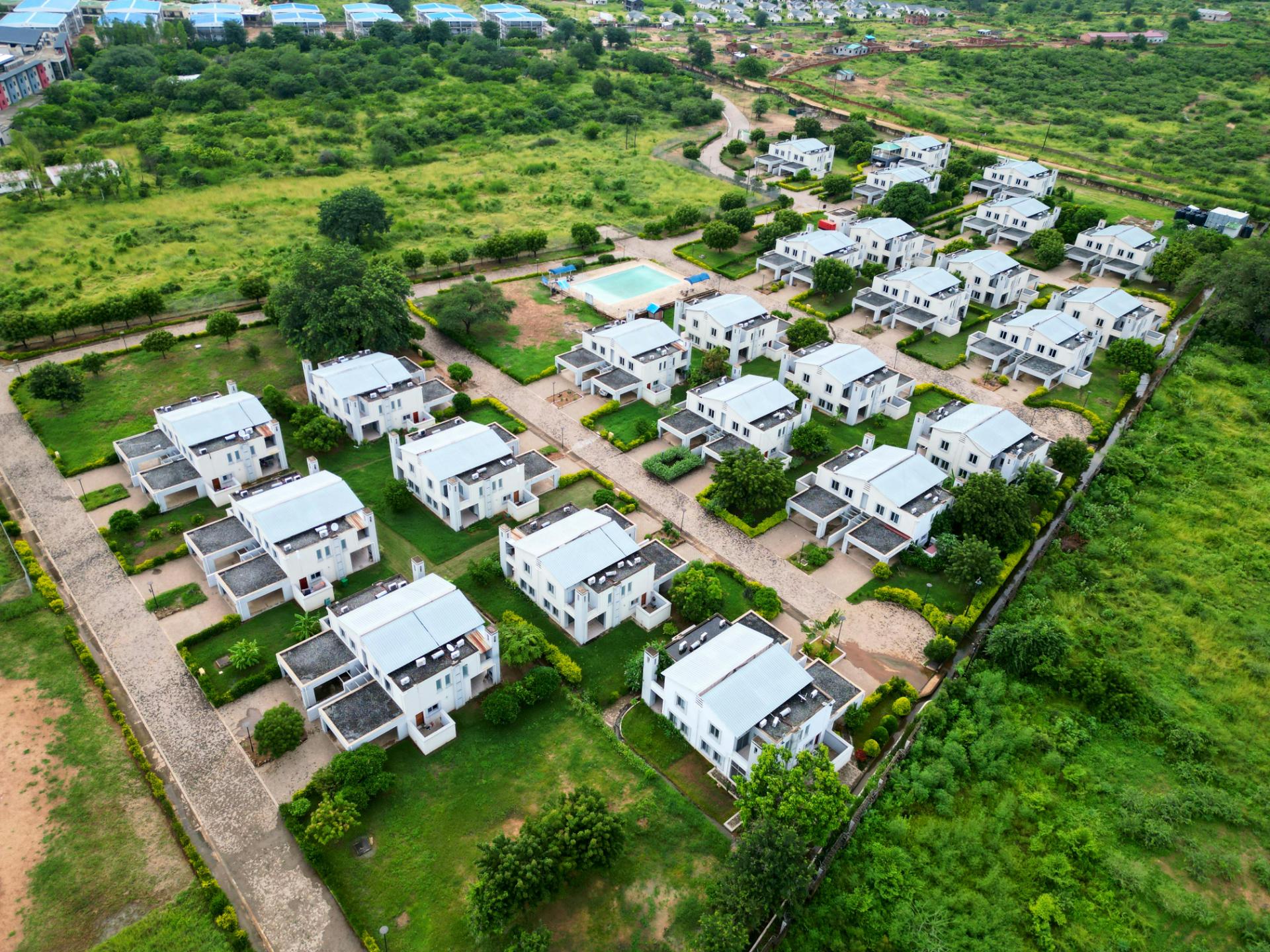
From the KwaZulu-Natal coastline to Gauteng’s northern suburbs, eco-focused developments are becoming some of the most desirable residential investments in the market. Developers are responding with estates that combine renewable energy systems, indigenous landscaping, water-saving infrastructure, and wellness-focused living spaces.
An eco estate is designed around sustainability and environmental preservation. Unlike traditional suburbs, these developments typically feature lower-density housing, protected green belts, walking trails, and architectural guidelines that minimise environmental impact. Many also incorporate solar energy, backup water systems, and native planting to reduce long-term operating costs and improve resilience against infrastructure challenges.
This trend is being accelerated by modern buyer priorities. Remote and hybrid work have made lifestyle increasingly important, while rising electricity costs and concerns about municipal reliability have pushed homeowners toward estates that can provide energy security and self-sufficiency.
Eco estates are increasingly marketed around wellness and quality of life. Residents are drawn to walking trails, wildlife integration, cleaner environments, and a stronger sense of community.
At the same time, buyers are becoming more educated about the realities of estate living. Researchers and property analysts have warned that not every “eco estate” fully delivers on its sustainability promises, and buyers are encouraged to carefully evaluate governance structures, levies, environmental practices, and long-term management plans before investing.
Still, the broader direction of the market is clear. South African real estate is moving toward developments that combine lifestyle, sustainability, and resilience.
Eco estates sit directly at the centre of that transition.