
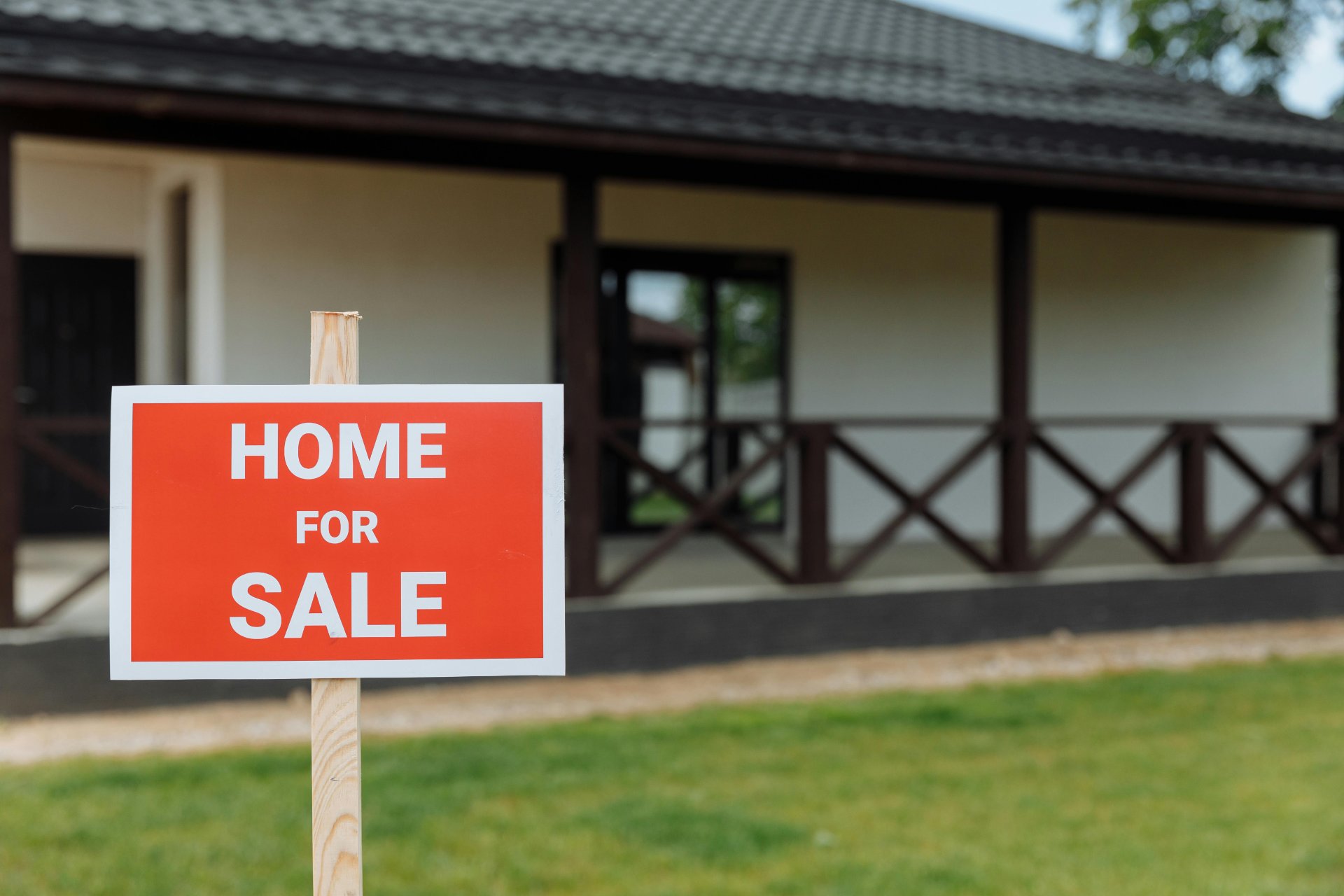
Viewing a property is often an emotional experience. You walk in, imagine your life there, and start picturing the future. But smart buyers know this: a viewing is not about how a property feels… it’s about what it hides.
The difference between a great investment and a financial drain often comes down to what you notice in those first 20 minutes.
Here’s a practical, no-fluff guide to what actually matters when viewing a property.
1. Look Beyond the Surface
Fresh paint, good lighting, and staging can be deceptive. Sellers often highlight aesthetics while masking deeper issues.
Instead, focus on:
-
Wall cracks (especially around windows and doors)
-
Uneven floors
-
Doors that don’t close properly
These can indicate structural movement—one of the most expensive issues to fix.
Insight: Cosmetic flaws are cheap. Structural problems are not.
2. Watch for Damp and Mould
Damp is one of the most common—and costly—problems in property.
Look for:
-
Musty smells
-
Water stains on ceilings or walls
-
Bubbling paint or peeling plaster
Even newly painted walls can hide underlying moisture issues.
Why it matters: Damp doesn’t just damage property, but also affects health and signals deeper problems like leaks or poor drainage.
3. Test the Plumbing (Don’t Just Assume)
Turn on:
-
Taps (check pressure and temperature)
-
Showers
-
Toilets (flush them)
Look for:
-
Slow drainage
-
Leaks under sinks
-
Rust or discoloured water
Water issues are often invisible until it’s too late, and repairs can escalate quickly.
4. Inspect the Roof and Ceilings
You don’t need to climb onto the roof, but you do need to observe carefully.
Check for:
-
Sagging ceilings
-
Water marks
-
Missing or damaged roof tiles (from outside)
Roof and ceiling issues are major cost drivers and can indicate long-term neglect.
5. Check Windows, Doors, and Insulation
These are small details that reveal big truths about how well a property is maintained.
Test:
-
Do windows and doors open smoothly?
-
Are there drafts?
-
Is there condensation between glass panes?
Poor insulation means higher energy costs and reduced comfort.
6. Evaluate the Layout (Not Just Size)
A large property doesn’t always mean a functional one.
Ask yourself:
-
Does the space flow logically?
-
Is there enough storage?
-
Can the layout adapt to your needs?
Functionality often matters more than square metres, and bad layouts are harder to fix than outdated finishes.
7. Pay Attention to Natural Light and Orientation
Light impacts everything; mood, energy costs, and resale value.
Look at:
-
Window placement
-
Sun direction
-
Airflow through the home
A well-lit home feels bigger, healthier, and more valuable.
8. Step Outside: Location Is Still King
You’re buying your house along with it’s surroundings..
Check:
-
Noise levels (traffic, neighbours)
-
Security of the area
-
Access to schools, transport, and shops
Even a perfect home can be a poor investment in the wrong location.
9. Assess Maintenance and Overall Condition
A well-maintained home usually reflects responsible ownership.
Look for:
-
Condition of paint, fittings, and fixtures
-
Signs of neglect (rust, broken elements)
-
Quality of previous renovations
Consistent upkeep is often a strong indicator of fewer hidden issues.
10. Ask the Right Questions
A viewing is about uncovering.
Ask:
-
Why is the owner selling?
-
What repairs have been done recently?
-
Are there known issues?
-
What are the monthly costs (rates, utilities, levies)?
The answers often reveal more than the property itself.
Final Thought: Think Like an Investor, Not a Visitor
The biggest mistake buyers make is confusing emotion with value.
A beautiful kitchen can be replaced. A bad foundation cannot.
The goal of a viewing is simple: Identify risk, understand potential, and make a decision based on facts, not feelings.
Because in property, what you don’t see is usually what costs you the most.